
So, you’ve fallen in love with the Philippines. Maybe it’s the white sands of Surigao, the booming tech energy of BGC, or perhaps you’ve realized your dollar or euro stretches like exercise pants over here. Naturally, your next thought is: “I want to buy a piece of this paradise.”
But then you hit Google, and the internet screams back at you: FOREIGNERS CANNOT OWN LAND IN THE PHILIPPINES.
Well, yes. But also, no.
While the Philippine Constitution is incredibly strict about protecting its soil, the legal framework practically leaves the front door wide open for smart foreign investors. That is, if you know which keys to use. Let’s break down the exact legal frameworks, workarounds, and “loopholes” to help you safely own property in Cebu without accidentally donating your life savings to a questionable entity.
What The Philippine Constitution Says
First, let’s look at the absolute law. The 1987 Philippine Constitution explicitly states that foreign individuals cannot own private agricultural or residential land.
Article XII, Section 7: “Save in cases of hereditary succession, no private lands shall be transferred or conveyed except to individuals, corporations, or associations qualified to acquire or hold lands of the public domain.”
In plain English? Unless you inherit it by bloodline, your name cannot go on a land title (known locally as a TCT, or Transfer Certificate of Title).
However, do not unpack your bags just yet. Here is how you can legally get around this restriction.
Your Alternative and 100% Legal Options
1. The Condominium Act (RA 4762)
This is the easiest, most popular route for foreign investors. Under Republic Act No. 4726 (The Condominium Act of the Philippines), foreigners are allowed to completely own condominium units.
The only catch? The entire condo building’s total foreign ownership cannot exceed 40%. The remaining 60% must be owned by Filipinos.
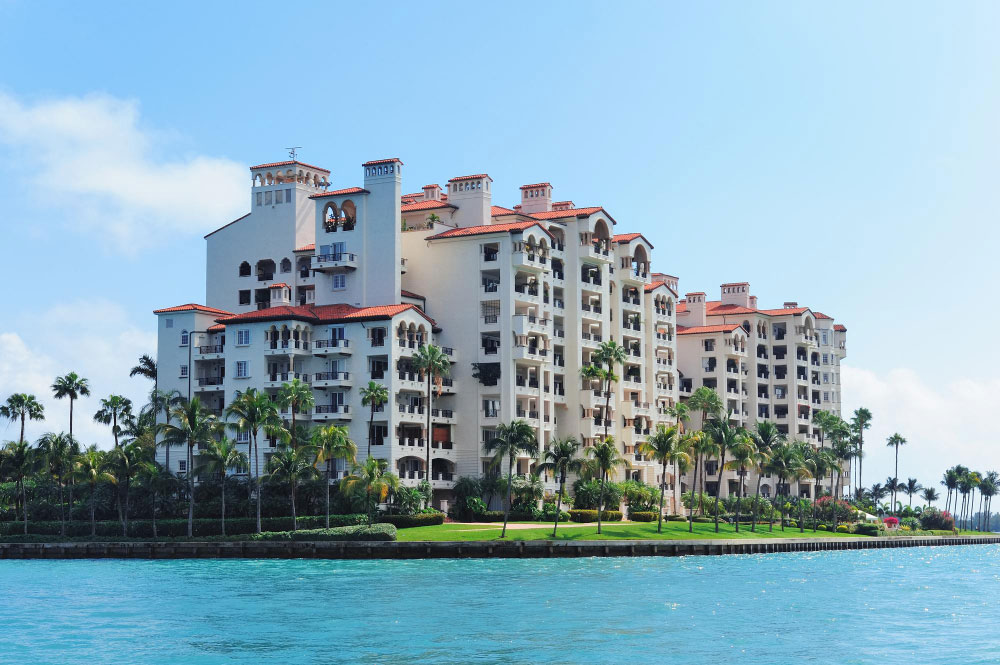
Why This is Perfect for Cebu
Cebu’s skyline is practically built for this law. High-density lifestyle hubs like Cebu IT Park and Cebu Business Park are packed with premium residential towers. When you buy a condo here, you aren’t just buying the air space between your walls; you legally become a shareholder in the condo corporation.
You get a Condominium Certificate of Title (CCT) in your name.
You can sell it, rent it out to digital nomads, or pass it down to your kids.
2. Form a Philippine Corporation
If you are a serious investor looking to acquire large tracts of land or develop commercial real estate in Cebu, you can set up a domestic Philippine corporation.
The 60/40 Rule: The corporation can legally buy and own land, provided that at least 60% of the company’s capital is owned by Filipino citizens.
The Safeguard: As a foreign investor, you can hold the remaining 40% of the equity, take a seat on the board, and structure the corporate bylaws with legal mechanisms (like deep voting rights or specialized shares) to protect your financial investment.
3. The Long-Term Leasehold Through the Investor's Lease Act (RA 7652)
Want a massive villa with a private pool in Mactan or a sprawling estate in Busay overlooking the city? You can’t own the land, but you can lease it for long enough that it practically feels like ownership

Under the Investor’s Lease Act (Republic Act No. 7652), foreign investors can enter into a long-term lease agreement with a Filipino landowner.
The Terms: You can lease land for an initial period of 50 years, renewable once for an additional 25 years (75 years total).
The Loophole: While you don’t own the dirt, you legally own the actual physical structure built on it. You can build your dream house, register the building under your name, and enjoy your estate.
4. Buying Land Through Your Filipino Spouse
This is the most common path for expats, and ironically, the one that keeps real estate lawyers the busiest.
If you are married to a Philippine citizen, you can purchase land. However, the land title (TCT) must be registered solely under your Filipino spouse’s name. Your name cannot be on the title.

Next Step for Foreign Buyers in Cebu, Philippines
Cebu is currently experiencing a massive real estate upgrade. With infrastructure like the Cebu-Cordova Link Expressway (CCLEX) cutting transit times and the rollout of the country’s upcoming Digital Nomad Visa, rental yields in strategic Cebu pockets are hitting anywhere from 7% to 11% annually.
Before parting with any reservation fees, make sure you consult a licensed real estate broker or a reputable real estate attorney in Cebu to review your contract’s fine print.